



Table of Contents
Introduction to Cloud Transformation Strategy
What Is a Cloud Transformation Strategy?
A cloud transformation strategy is a comprehensive roadmap that helps organizations transition their existing IT infrastructure, applications, and workflows to the cloud. This strategy outlines not just the technical aspects but also the business objectives, resource planning, and timelines required to achieve a successful transformation. It acts as a blueprint that aligns cloud initiatives with long-term business growth.
Moreover, a well-defined strategy reduces risks and improves decision-making by providing clear steps and measurable goals. Whether a company is moving to a public, private, or hybrid cloud environment, having a focused plan in place ensures alignment with operational goals.
Why a Strategy Is Crucial Before Cloud Adoption
Jumping into cloud adoption without a structured strategy often results in misaligned goals, security gaps, and budget overruns. By creating a cloud transformation strategy upfront, organizations can anticipate infrastructure challenges, resource constraints, and integration needs.
This preemptive planning allows for informed decisions about platform selection, data migration, and application re-architecture. Additionally, it prevents downtime and boosts system performance during the transition. Most importantly, it aligns every stakeholder with shared success criteria.
Role of Strategy in Cloud Modernization
Cloud modernization goes beyond simply migrating workloads; it requires rethinking legacy systems and processes for scalability, automation, and cost-efficiency. A strategic approach lays the foundation for future innovation by modernizing data pipelines, optimizing compute resources, and adopting cloud-native services.
In this context, a cloud transformation strategy provides continuity between legacy operations and modern cloud capabilities. It also allows businesses to phase in advanced technologies such as artificial intelligence and edge computing without disruption.
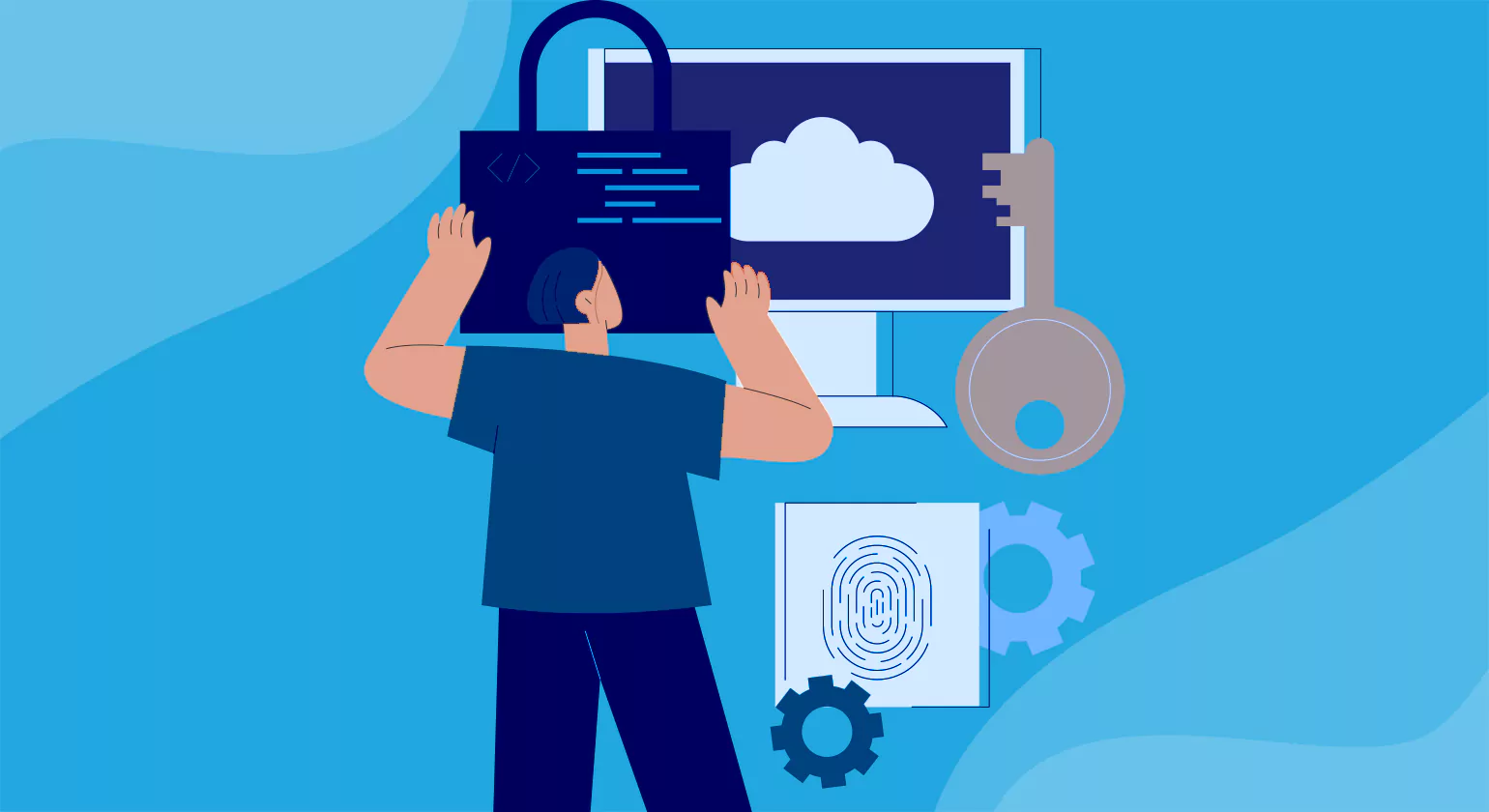
Assessing Readiness for Secure Cloud Transformation
Internal IT Infrastructure Evaluation
Before initiating any transformation, organizations must evaluate their current IT infrastructure. This includes analyzing hardware performance, storage needs, and network capabilities. A readiness assessment also helps in identifying which components are cloud-compatible and which require upgrades or replacement.
Taking this step ensures that the migration process is smoother and more predictable. It also limits unexpected costs and performance bottlenecks during the transformation journey.
Identifying Key Stakeholders
Identifying and involving key stakeholders early in the process leads to better alignment between IT and business goals. These stakeholders—ranging from CIOs to department heads—play a crucial role in strategy formulation and execution.
Their input ensures that technical decisions meet operational needs and that accountability is maintained throughout the project lifecycle.
Evaluating Security and Compliance Risks
Security remains a top concern in any cloud initiative. Organizations must evaluate their current security protocols and compare them to cloud standards. This includes reviewing access controls, encryption methods, and compliance requirements like GDPR or HIPAA.
Addressing these areas up front lays the groundwork for a secure cloud transformation and prevents data breaches or regulatory violations in the future.
Mapping Business Goals to Cloud Outcomes
Mapping business goals to cloud outcomes is essential for demonstrating ROI. Whether the objective is to reduce infrastructure costs, enhance agility, or enable global scalability, every goal must be tied to a measurable cloud deliverable.
This ensures the cloud initiative delivers not just technical upgrades but also real business value. Ultimately, a secure cloud transformation depends on clearly linking strategy to results.
Setting Clear Business Goals for Cloud Strategy Services

Aligning Digital Goals With IT Execution
Establishing business goals before moving to the cloud is critical for aligning digital transformation with IT execution. Companies often dive into cloud migration expecting immediate benefits, but without aligning digital priorities—like automation, customer experience, or agility—with technical implementation, success can be elusive.
Therefore, IT teams and business leaders must collaborate to define goals that translate into specific, achievable technology outcomes. This joint approach ensures that both innovation and operational stability move forward in tandem.
Establishing Short- and Long-Term Cloud Objectives
Short-term goals help identify quick wins such as cost savings or faster deployment, while long-term objectives focus on sustainability, scalability, and innovation. For instance, businesses may aim to reduce on-premises dependency within a year but look to adopt advanced analytics tools over the next three.
When goals are segmented into phases, organizations gain greater visibility into progress and can prioritize resources effectively. As a result, cloud journeys remain on track and responsive to changing business needs.
Measuring Cloud ROI and KPIs
Success must be measured to prove the value of any transformation effort. Key performance indicators (KPIs) such as uptime, cost optimization, and deployment speed provide tangible insights into how well cloud goals are being met. In parallel, Return on Investment (ROI) assessments show the financial benefits of cloud adoption.
By continuously monitoring these metrics, organizations can make smarter decisions, pivot when necessary, and ensure their investment in cloud strategy services is delivering expected value.
Choosing the Right Cloud Transformation Services

Key Factors in Selecting a Cloud Partner
Choosing the right cloud partner requires more than just evaluating cost. Reliability, security, scalability, and support should all be part of the decision-making process. Businesses should also consider the partner’s expertise in the specific industry, as regulatory or compliance requirements may vary.
Additionally, partnerships that offer flexible service models allow companies to scale resources up or down without being locked into rigid contracts. This adaptability is especially crucial in dynamic business environments.
Comparing Public, Private, and Hybrid Cloud Options
Each cloud deployment model offers unique advantages. Public cloud is often preferred for its cost-efficiency and flexibility, while private cloud offers higher levels of control and data privacy. Hybrid cloud blends both models, offering flexibility along with enhanced security for sensitive workloads.
Organizations must assess their needs carefully before committing to one or the other. In many cases, hybrid solutions provide the best of both worlds, especially for businesses with varied compliance needs.
Evaluating Service-Level Agreements (SLAs)
Service-Level Agreements are vital when selecting cloud transformation services. These contracts define availability, performance metrics, and penalties for non-compliance. Understanding SLAs ensures businesses know what to expect and can hold vendors accountable.
It’s also beneficial to compare SLAs across providers to determine which one aligns best with your operational goals. A well-structured SLA supports a successful cloud transformation strategy by reducing downtime and ensuring consistent performance.
Creating a Risk-Aware Cloud Data Migration Strategy
Understanding Legacy System Constraints
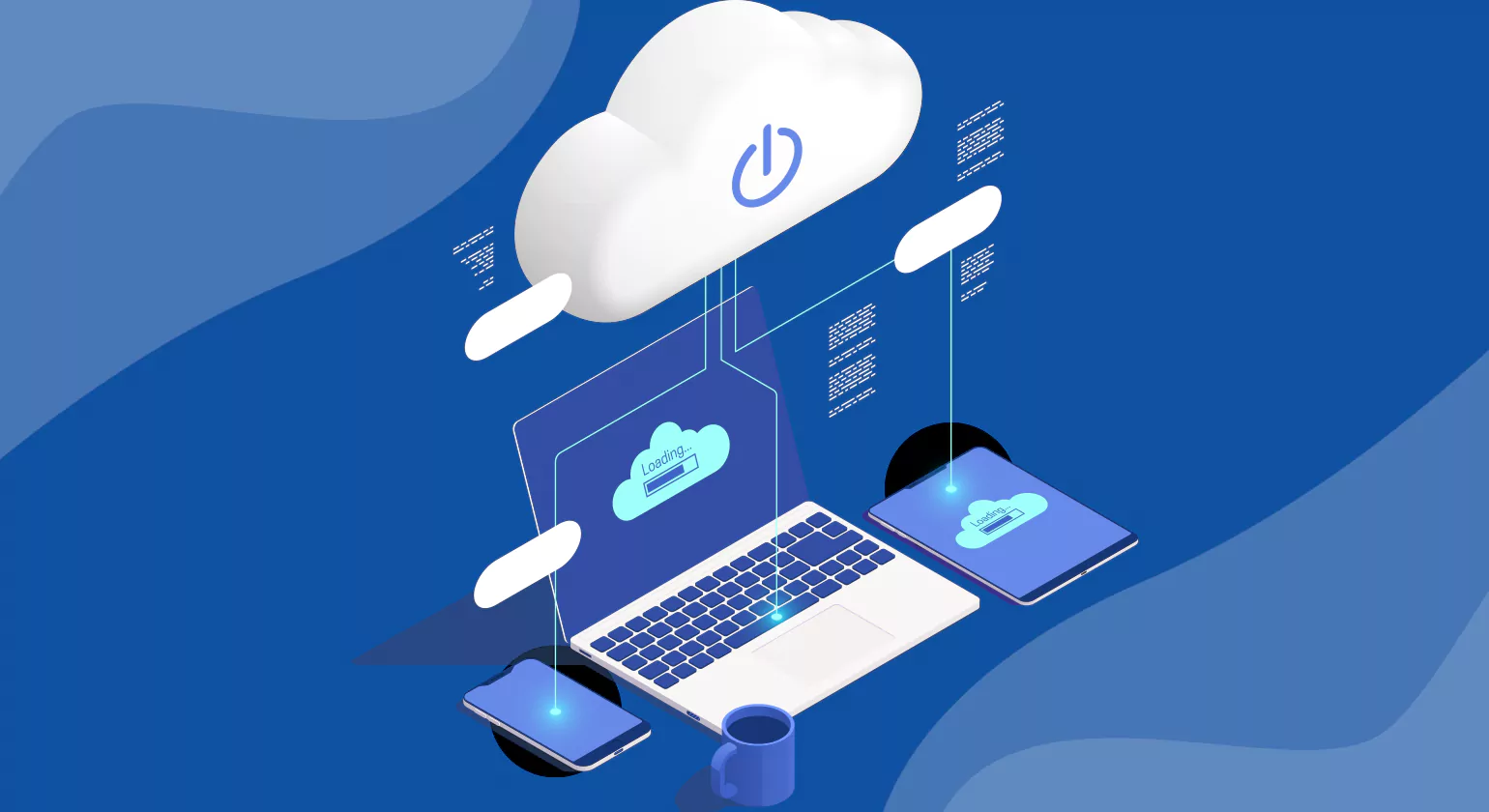
Migrating to the clouds starts with understanding the limitations of existing systems. Legacy infrastructure may lack compatibility, scalability, or the security features needed for cloud operations. As a result, a detailed audit of on-premises assets is vital before initiating any migration process.
Moreover, these systems often contain outdated applications or hardware-dependent components, which can hinder seamless data migration. Addressing these constraints early allows for smoother transitions and more accurate resource planning.
Prioritizing Workloads for Migration
Not every workload needs to move to the cloud at once. Businesses should prioritize based on operational importance, technical readiness, and risk level. Critical applications with high uptime requirements may demand more careful planning than less essential systems.
By segmenting workloads, organizations can phase migration efforts, reduce the risk of disruption, and improve overall efficiency. Additionally, this phased approach ensures each stage supports the broader cloud transformation strategy effectively.
Identifying Critical Data Assets
Data is a core asset that must be handled with care. Identifying what data is most critical—whether it’s customer information, intellectual property, or regulatory files—helps set the right security and access protocols during migration.
It also enables businesses to allocate proper storage, implement compliance controls, and mitigate the chances of data loss or leakage. Ultimately, data classification helps ensure a reliable cloud data migration strategy that aligns with both legal and business requirements.
Balancing Speed and Security in Migration
While speed is essential for reducing operational downtime, rushing the process can lead to vulnerabilities. Striking a balance between rapid deployment and robust security measures is crucial for risk-aware migration.
Encryption, backup protocols, and access control measures should be embedded at every phase. When planned thoughtfully, this balance strengthens the overall cloud transformation strategy and builds a foundation for long-term success.
Designing a Secure Cloud Transformation Architecture
Network Segmentation and Isolation
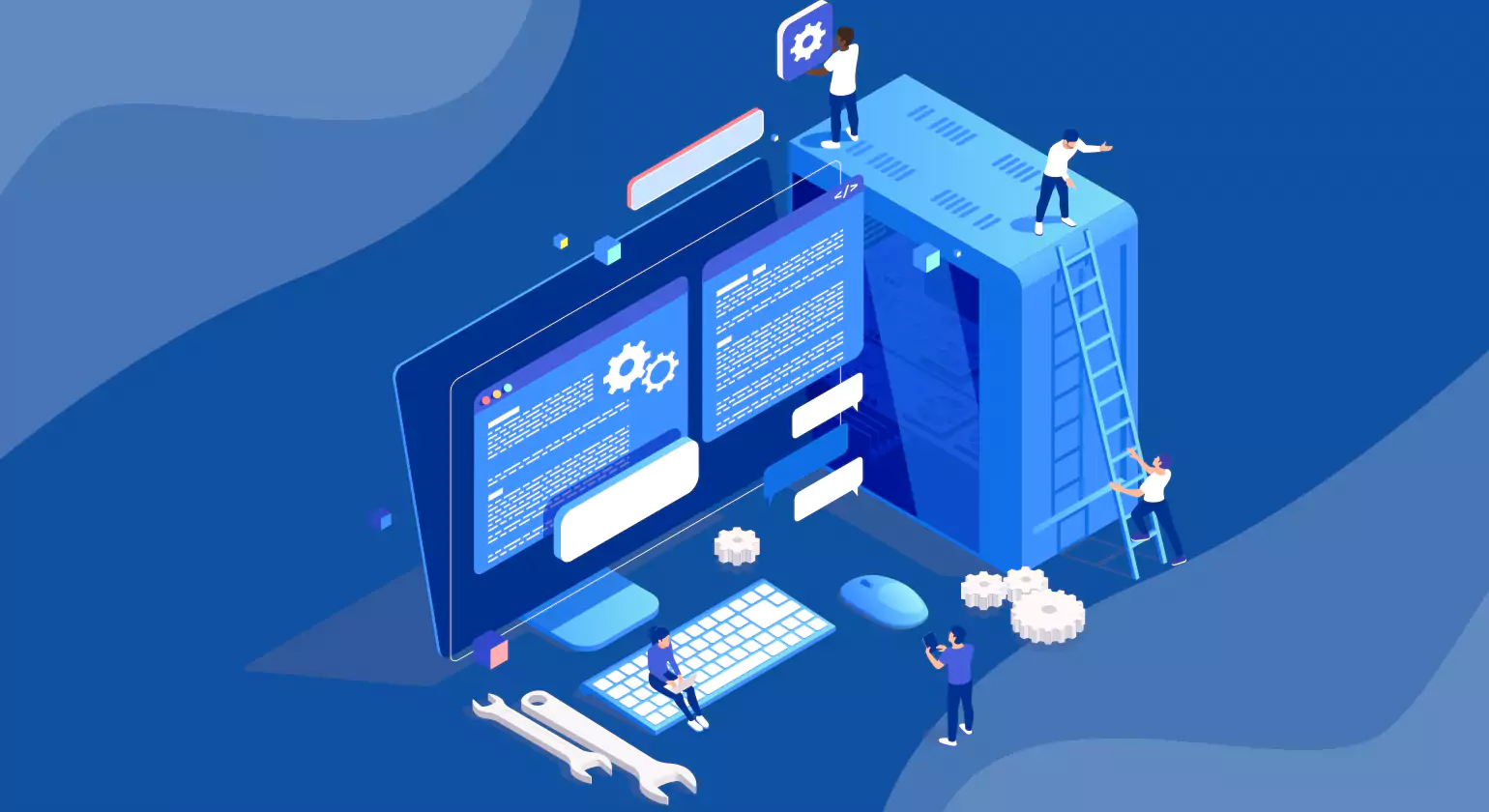
Proper network architecture is key to reducing the attack surface in cloud environments. Segmenting the network and isolating sensitive data flows prevents lateral movement in the event of a breach. This design tactic not only enhances protection but also improves performance by optimizing traffic paths.
Implementing segmentation is a proactive way to reinforce defense layers early in the transformation journey.
Encryption Protocols and Access Control
Encryption is non-negotiable when securing data in transit and at rest. Alongside it, implementing role-based access controls ensures only authorized users can access sensitive resources. These security protocols help maintain data confidentiality and integrity.
For a truly secure cloud transformation, encryption and access control must be continuously reviewed and updated by evolving threats and regulatory changes.
Multi-Factor Authentication for Cloud Access
Adding an extra layer of authentication significantly reduces unauthorized access risks. Multi-Factor Authentication (MFA) requires users to provide multiple verification factors, which helps in thwarting credential-based attacks.
As cyber threats grow more sophisticated, incorporating MFA becomes essential to cloud security practices.
Zero Trust Security Model in Cloud Strategy
A Zero Trust model assumes no user or device is automatically trusted, regardless of location. This approach enforces continuous verification, dynamic access, and strict monitoring. By adopting Zero Trust, businesses can elevate their cloud transformation strategy into a security-first framework that actively mitigates internal and external threats.
Implementing Governance in Cloud Transformation Strategy

Data Ownership and Responsibility Models
Effective governance starts with clearly defined roles and responsibilities. Organizations need to identify who owns what data, who has access, and who is accountable for maintenance, backups, and compliance. Without such clarity, data mismanagement and security risks quickly escalate.
Establishing responsibility models not only improves operational efficiency but also enables accountability across departments. As a result, businesses can enforce better access policies and mitigate risks associated with data loss or misuse.
Centralized vs Decentralized Cloud Governance
Organizations must choose between centralized and decentralized governance models based on their scale and complexity. Centralized governance offers greater control, standardization, and visibility, which is ideal for smaller or highly regulated enterprises. In contrast, decentralized models provide flexibility and faster decision-making for larger, global teams.
To maximize the effectiveness of a cloud transformation strategy, many companies adopt a hybrid governance approach. This enables them to enforce compliance without slowing innovation.
Policy Creation and Enforcement Mechanisms
Policies are the backbone of cloud governance. These include access controls, data retention schedules, and usage limitations. However, merely creating policies is not enough—automated enforcement mechanisms are essential.
By using policy engines and real-time alerts, organizations can maintain compliance, avoid human error, and quickly respond to violations. These mechanisms help ensure that governance rules evolve with changing business needs and external regulations.
Ensuring Compliance in Cloud Strategy Services

Navigating GDPR, HIPAA, and Industry Regulations
Regulatory compliance is one of the most critical challenges in cloud transformation. Whether operating in healthcare, finance, or e-commerce, businesses must align their operations with laws such as GDPR, HIPAA, and other industry-specific mandates.
To stay compliant, organizations must continuously review their cloud environments and data flows. Ignoring these regulations can lead to hefty penalties and reputational damage, which is why compliance planning must be baked into any transformation roadmap.
Using Cloud Tools for Compliance Monitoring
Modern cloud platforms offer robust tools for monitoring compliance in real time. These tools allow businesses to automate scans, monitor data access, and flag non-compliant activities. By leveraging these features, teams can ensure data privacy, integrity, and traceability at every stage.
Additionally, these tools simplify reporting, which is often necessary for both internal audits and external regulatory bodies.
Creating a Compliance-First Migration Roadmap
When planning cloud migration, businesses must prioritize compliance from the outset. This means selecting cloud services that align with regional data laws and privacy standards. A compliance-first approach reduces retrofitting costs and prevents project delays later on.
By treating compliance as a foundational element of cloud strategy services, businesses can confidently scale while staying within legal boundaries.
Audit Trails and Reporting Automation
Maintaining audit trails is essential for transparency and compliance. Automated reporting tools simplify the tracking of user activity, data changes, and policy violations. These reports serve as critical evidence during audits and help in identifying areas for improvement.
Moreover, integrating audit automation into the broader cloud transformation strategy enhances security while easing the burden on internal compliance teams.
Leveraging Automation for Efficient Cloud Transformation

Infrastructure as Code (IaC)
Automation begins with Infrastructure as Code (IaC), allowing teams to manage cloud environments through version-controlled scripts. This approach eliminates manual configuration, reduces errors, and enables consistent deployments across environments. IaC tools like Terraform and AWS CloudFormation are widely adopted to accelerate provisioning while maintaining security and compliance.
Additionally, IaC supports scalability by enabling organizations to replicate environments within seconds, which is crucial for businesses with rapidly growing infrastructure demands.
CI/CD Pipeline Integration
Continuous Integration and Continuous Deployment (CI/CD) pipelines streamline software releases by automating code testing, deployment, and monitoring. Integrating these pipelines into your cloud environment ensures faster innovation cycles and minimizes downtime during releases.
Moreover, CI/CD fosters collaboration between development and operations teams, promoting DevOps culture and improving overall agility.
Automated Policy Enforcement
Policy automation ensures security and compliance without adding operational burden. Cloud platforms allow teams to define guardrails for data access, encryption standards, and network configurations. These policies are then automatically enforced across all cloud assets.
Such automation significantly reduces the likelihood of misconfigurations, thereby improving both security and governance across the organization.
Resource Provisioning in Real-Time
Dynamic provisioning of resources helps businesses respond to workload changes instantly. Automation tools can scale compute power, storage, or services based on real-time demand, ensuring optimal performance without manual intervention.
This ability to adapt instantly is a foundational pillar in any well-structured Cloud Transformation Strategy, helping businesses stay both agile and cost-efficient.
Monitoring, Analytics, and Continuous Optimization

Cloud Usage and Performance Metrics
To maintain operational efficiency, it’s essential to monitor how resources are being used. Tracking metrics like CPU utilization, memory usage, and network throughput allows businesses to fine-tune performance and avoid unnecessary spending.
Such insights help prioritize areas for optimization and ensure that cloud resources are aligned with business goals.
Real-Time Monitoring Tools
Real-time monitoring provides visibility into system health and alerts teams about anomalies before they escalate. Tools such as Datadog, New Relic, and AWS CloudWatch deliver actionable insights that enhance system stability and reduce downtime.
Furthermore, continuous monitoring supports proactive troubleshooting, allowing IT teams to maintain service-level agreements with confidence.
Leveraging AI/ML for Cost Optimization
Artificial Intelligence and Machine Learning offer predictive analytics that can forecast usage trends and recommend cost-saving measures. These technologies enable smarter resource allocation and help eliminate wasteful spending.
By adopting AI-driven insights, businesses gain a competitive advantage in managing operational expenses and long-term cloud efficiency.
Adjusting Your Cloud Transformation Strategy Over Time
Optimization is not a one-time effort. As your business evolves, so should your Cloud Transformation Strategy. Regular reviews and adjustments ensure that your cloud setup remains aligned with growth targets, compliance requirements, and industry best practices.
This iterative approach not only sustains performance but also allows companies to stay ahead in a constantly evolving digital landscape.
Building a Future-Proof Cloud Operating Model

Skills and Roles Needed for Long-Term Success
Building a resilient cloud operating model starts with assembling the right team. As cloud technologies evolve, so do the skills required to maintain, optimize, and secure infrastructure. Roles such as cloud architects, DevOps engineers, security specialists, and cost analysts become critical.
Moreover, aligning these roles with business goals ensures technical execution is always rooted in strategic value. This alignment reduces miscommunication and improves project delivery timelines.
Creating a Cloud Center of Excellence (CCoE)
A Cloud Center of Excellence (CCoE) is a centralized body that defines best practices, sets governance policies, and leads innovation efforts. It serves as a guide for teams navigating the complexity of cloud environments.
By consolidating expertise and frameworks into one dedicated function, the CCoE accelerates adoption, minimizes errors, and drives consistency across cloud operations.
Organizational Change Management
Transitioning to the cloud affects more than just IT—it shifts how the entire organization operates. Therefore, effective change management is essential. This includes transparent communication, executive sponsorship, and employee engagement at every stage.
When teams understand the “why” behind the shift, they are more likely to adopt new tools, workflows, and responsibilities.
Continuous Learning and Upskilling
Technology never stands still, and neither should your workforce. Encouraging ongoing training through certifications, workshops, and hands-on projects helps teams stay up to date with the latest trends and tools.
In doing so, organizations not only future-proof their capabilities but also support long-term scalability within their Cloud Transformation Strategy.
Avoiding Common Pitfalls in Cloud Transformation Services

Underestimating Downtime and Disruptions
Many businesses begin their cloud journey expecting minimal downtime, yet unplanned disruptions are a frequent challenge. Planning for rollback scenarios, testing thoroughly, and scheduling migrations during off-peak hours are crucial for mitigating downtime.
Furthermore, understanding system interdependencies can help reduce the risk of cascading failures.
Overlooking Integration Complexity
Integrating cloud platforms with existing on-premises or third-party tools is rarely straightforward. APIs may not align perfectly, data formats could vary, and real-time sync might be required.
Failing to account for these variables often leads to delays and additional costs. That’s why integration planning must be an early priority in cloud transformation services.
Neglecting End-User Experience
While backend efficiency is essential, user experience should never be an afterthought. Applications that are slow, inconsistent, or difficult to access erode user trust and productivity.
Testing performance from the end-user’s perspective ensures the cloud solution enhances—not hinders—daily workflows.
Skipping Post-Migration Optimization
After migration, many companies move on without optimizing their environment. Yet this phase is critical for cost control, performance enhancement, and long-term success.
Regular audits and usage assessments help businesses refine their Cloud Transformation Strategy and unlock the full potential of the cloud.
Conclusion
Successfully navigating the cloud journey requires more than just technology—it demands vision, planning, and execution across every level of the organization. From setting clear goals and assessing readiness to enforcing governance and embracing continuous optimization, each phase plays a vital role. A well-structured Cloud Transformation Strategy not only minimizes risk but also maximizes business value, scalability, and innovation. By investing in the right people, tools, and processes, organizations can unlock the full potential of the cloud and stay competitive in an ever-evolving digital landscape.
Know more >>> Top 10 Cloud Migration Service Providers in the USA
Top Cloud Migration Consulting Strategies 2025
FAQ’S
1. What is cloud transformation?
Cloud transformation is the strategic process of moving digital assets, applications, and services to cloud infrastructure. It enables organizations to modernize IT operations, enhance scalability, improve security, and reduce costs. This shift also supports faster innovation and ensures that technology aligns effectively with evolving business goals and market demands.
2. How does the cloud enable digital transformation?
Cloud enables digital transformation by providing scalable, on-demand infrastructure and services that support rapid innovation. It allows businesses to adopt new technologies, streamline operations, enhance data access, and deploy applications faster. With flexibility and cost-efficiency, cloud platforms help organizations adapt quickly to evolving customer needs and market changes.
3. What is a cloud migration strategy?
A cloud migration strategy is a structured plan for moving data, applications, and workloads from on-premises systems to the cloud. It outlines goals, timelines, migration methods, and risk management approaches. This strategy ensures a smooth transition, minimizes downtime, and aligns cloud adoption with business objectives for improved agility and performance.
4. How to migrate an application to the cloud?
To migrate an application to the cloud, assess its architecture, choose the right cloud model, and plan the migration approach (rehost, refactor, or rebuild). Back up data, ensure security compliance, and test the application in the new environment. Finally, monitor performance post-migration to optimize for scalability, reliability, and cost-efficiency.
5. What is the cloud transformation process?
The cloud transformation process involves assessing current IT systems, defining business goals, choosing the right cloud model, and migrating data and applications. It includes optimizing infrastructure, implementing security measures, and training teams. This structured approach ensures a smooth transition, enabling better agility, scalability, and alignment with digital transformation objectives.
6. What are the different types of cloud strategy?
Different types of cloud strategy include public, private, hybrid, and multi-cloud approaches. Public cloud offers scalability and cost savings; private cloud provides enhanced control and security. A hybrid combines both for flexibility, while multi-cloud uses services from multiple providers. The right strategy depends on business goals, compliance needs, and technical requirements.
7. What are the different types of cloud migration strategies?
The main cloud migration strategies include Rehost (lift and shift), Refactor (optimize for cloud), Revise (modify before migrating), Rebuild (recode for cloud), and Replace (switch to SaaS). Each strategy varies in complexity and benefits, and the choice depends on application needs, budget, and long-term business and technical goals.
8. What is the difference between cloud transformation and migration?
Cloud migration is the process of moving data, applications, or systems to the cloud. Cloud transformation goes further—it involves rethinking and modernizing IT infrastructure, workflows, and business models using cloud technologies. While migration is a step, transformation is a broader, strategic shift to fully leverage the cloud’s potential for innovation and agility.


